
A souvenir can be cheap, expensive, practical or purely decorative. But the best things to bring home from Laos offer something more: a connection to the people, landscapes and traditions encountered during your journey.
In Laos, many handmade objects are not designed merely to look beautiful. A textile can carry the identity of a family or community. A bamboo basket reflects the importance of sticky rice in everyday life. A piece of repurposed metal can transform the memory of war into a source of dignity and livelihood.
Choosing such objects thoughtfully allows travellers to remember Laos while supporting the knowledge and skills that created them. Here are 14 meaningful gifts to consider—and the cultural stories that make them worth buying.
1. Handwoven Lao Textiles
Textiles are among the most culturally significant things you can buy in Laos. Weaving is not simply a decorative craft; it is a visual language passed from one generation to another.
Patterns may express local identity, beliefs about nature, family memory or spiritual protection. Their meaning varies between regions and ethnic communities, so two fabrics that look similar to an unfamiliar eye may tell very different stories.
One of the most important designs is the Naga motif. In Lao belief, the Naga is a powerful water spirit associated with rivers, fertility, protection and ancestry. UNESCO notes that many Lao communities regard Nagas as protective ancestors and weave their forms into textiles as an expression of respect. The traditional craft of Naga motif weaving is recognised by UNESCO as part of humanity’s intangible cultural heritage.
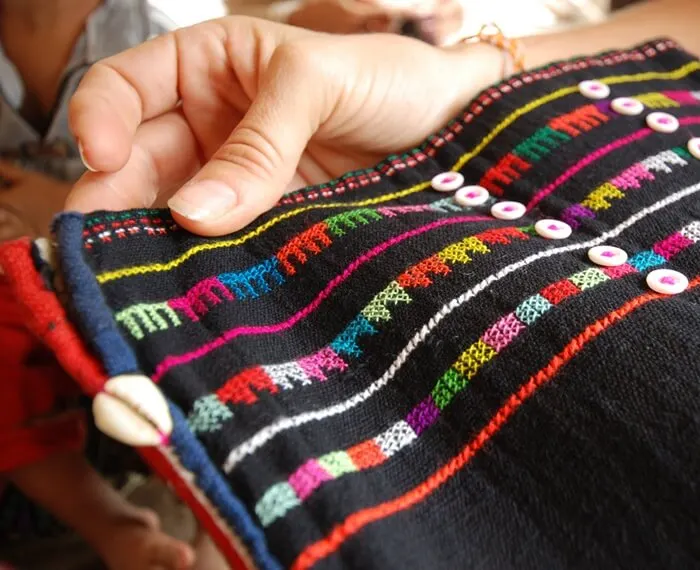
Why buy it: A genuinely handwoven textile preserves both physical skill and cultural memory. Scarves, runners and wall hangings are also practical to carry and easy to display at home.
What to look for: Ask where the textile was woven, what the pattern represents and whether it was made by hand or machine.
2. A Traditional Sinh
The sinh, or phaa sinh, is the traditional tubular skirt worn by Lao women. It remains part of contemporary life and can still be seen at offices, schools, weddings, festivals, religious ceremonies and formal events.
A sinh commonly consists of different woven sections. Its borders, colours and motifs may reveal regional influences, the occasion for which it was made or the artistic choices of its weaver.
Buying a sinh should therefore be more than purchasing an “ethnic costume.” It is an opportunity to appreciate how traditional clothing continues to live within modern Lao society.
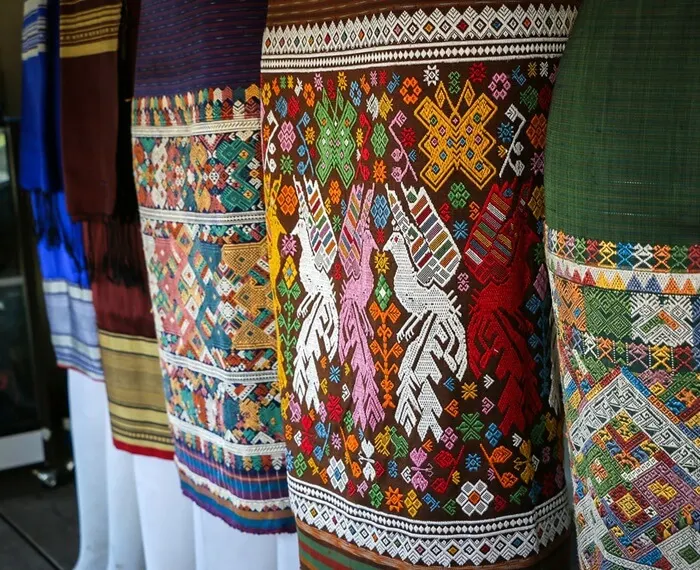
Why buy it: A sinh is a wearable expression of Lao identity and makes a particularly meaningful gift for someone who values textile art or traditional fashion.
What to look for: Choose the fabric and quality according to its intended use. If it will be worn, ask for help with sizing, tailoring and the appropriate blouse or belt.
3. Handwoven Lao Silk
Lao silk is admired not only for its texture but also for the labour behind it. A handcrafted piece may involve raising silkworms, preparing thread, dyeing fibres, arranging the loom and weaving complex motifs one line at a time.
The slight variations found in handmade silk should not automatically be considered defects. They are often signs that a textile was made by a person rather than produced by a machine.
Silk scarves, shawls and small accessories are convenient gifts, while larger panels and ceremonial textiles may require weeks or months of work.
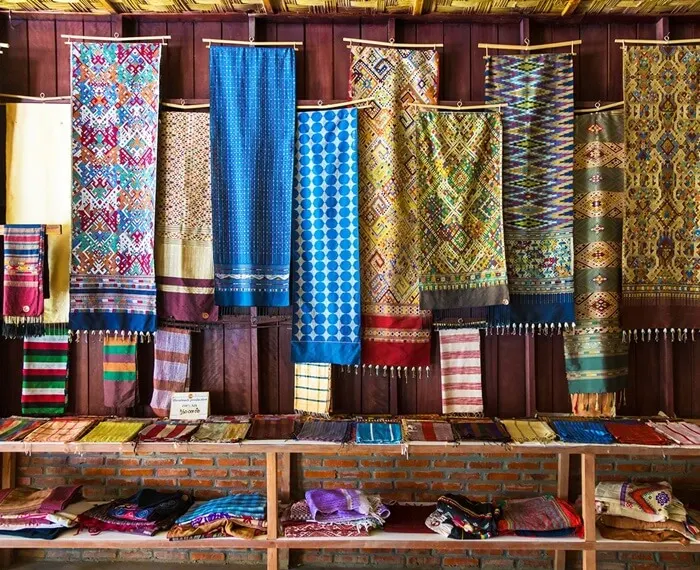
Why buy it: Purchasing directly from a responsible weaving workshop helps preserve specialised knowledge and creates income for artisans, many of whom are women working within rural communities.
What to look for: Ask whether the material is locally produced silk, imported silk or a blend. The seller should be able to explain how the piece was made.
4. Naturally Dyed Cotton, Silk and Hemp
Before industrial dyes became widely available, Lao artisans created colour from their surrounding environment. Leaves, bark, roots, seeds, minerals and other natural materials could be prepared through recipes learned over generations.
Natural dyeing requires considerable knowledge. The final colour depends on the plant, season, water, fibre and repeated stages of dyeing. This helps explain why naturally dyed pieces often possess softer, more layered colours than mass-produced fabric.
Indigo textiles are especially attractive, but natural-dyed scarves, bags, table linens and clothing can be found in many shades.
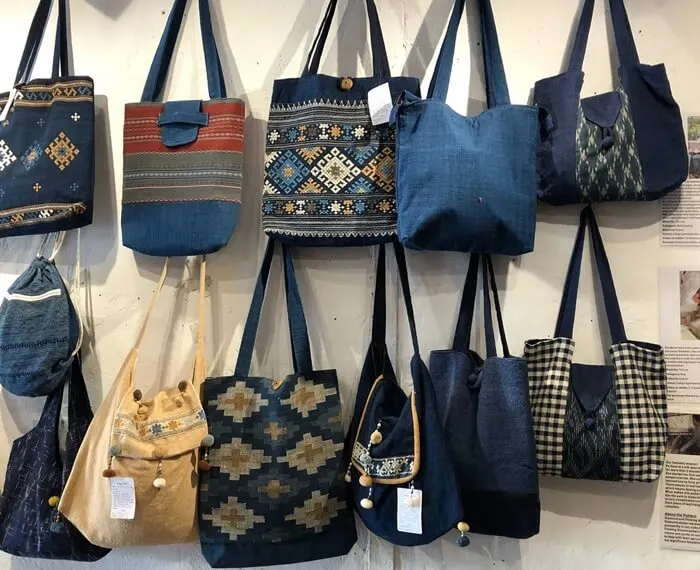
Why buy it: These objects connect traditional knowledge with the local landscape. They also remind us that colour was once created through a relationship between people, plants, water and time.
What to look for: Ask which fibres and dyes were used and how the item should be washed. Natural colour may change gracefully with age.
5. Lao Silver Jewellery
Silver jewellery in Laos may be worn for beauty, social identity, ceremony or protection. Designs range from restrained contemporary pieces to elaborate bracelets, necklaces, earrings and belts inspired by older traditions.
Motifs such as flowers, leaves, geometric forms and Nagas can carry symbolic associations, although meanings should not be assumed without asking the maker. Designs and metalworking traditions differ among communities.
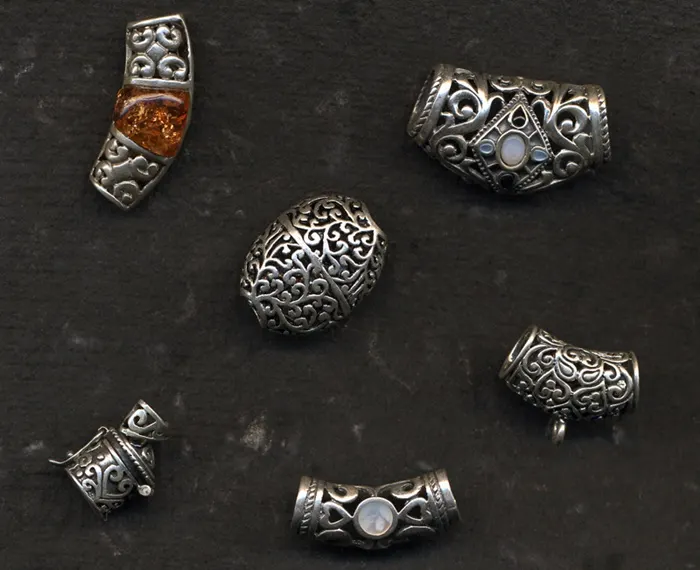
Why buy it: A well-made piece of jewellery is compact, personal and lasting. It can carry Lao craftsmanship into everyday life without becoming merely decorative memorabilia.
What to look for: Ask about silver purity, the maker and the origin of the design. Request a receipt for higher-value purchases and avoid pieces presented as antiques without clear documentation.
6. Ceremonial Bowls and Offering Vessels
Bowls, trays and covered vessels play important roles in Lao hospitality and religious life. They may be used to present food, flowers or offerings during ceremonies and visits to temples.
These objects should be approached respectfully. A genuine monastic alms bowl is not simply an exotic home decoration. Travellers should instead choose contemporary vessels inspired by Lao forms or items specifically made for household and decorative use.
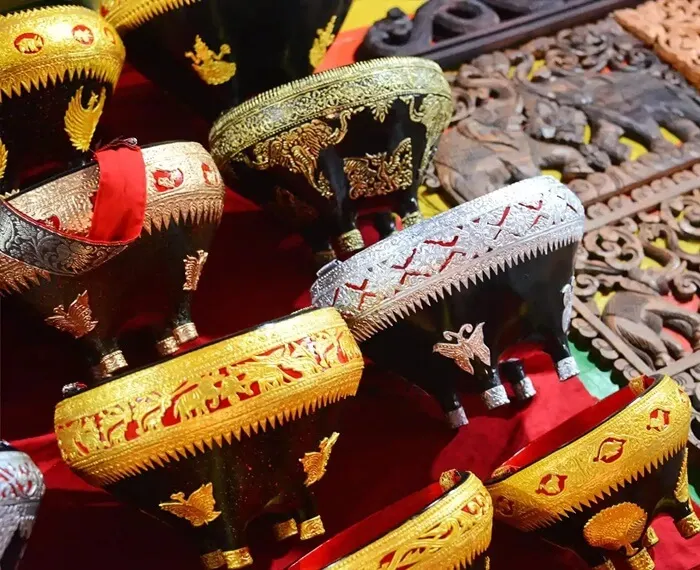
Why buy it: A thoughtfully chosen vessel can represent generosity, hospitality and the importance of giving—values deeply woven into Lao social and spiritual life.
What to look for: Ask the seller about the object’s intended use. Avoid purchasing sacred, antique or temple-owned objects.
7. Wood and Bamboo Crafts
Lao artisans use wood and bamboo to create trays, boxes, utensils, baskets, musical objects and decorative carvings. Their beauty often comes from simplicity: the natural grain of the material, balanced proportions and evidence of the maker’s hand.
Bamboo is particularly meaningful because it appears throughout daily Lao life—in houses, tools, food containers, instruments and agricultural objects. A small bamboo craft can therefore speak more honestly about everyday Laos than an elaborate mass-produced ornament.
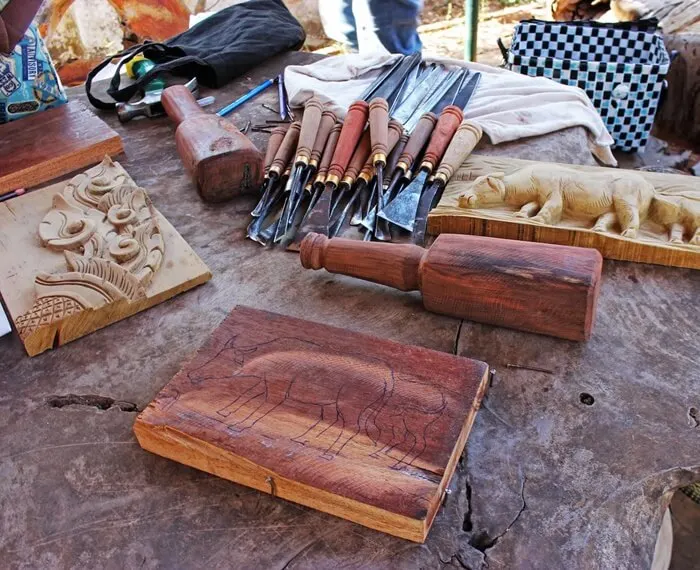
Why buy it: Functional crafts allow cultural memory to become part of daily life. A handmade tray or basket continues to be useful long after a holiday has ended.
What to look for: Choose contemporary pieces made from responsibly sourced materials. Avoid antique Buddha images, sacred objects and wood products whose origins cannot be explained.
8. Beerlao T-Shirts and Contemporary Lao Design
Not every meaningful souvenir has to be ancient or ceremonial. A Beerlao shirt represents a more playful side of modern Laos and has become a familiar symbol of travel, friendship and shared meals.
Contemporary Lao designers are also reinterpreting traditional colours, scripts and motifs on shirts, tote bags, stationery and lifestyle products. These objects reflect a country that honours its past while developing a confident modern identity.
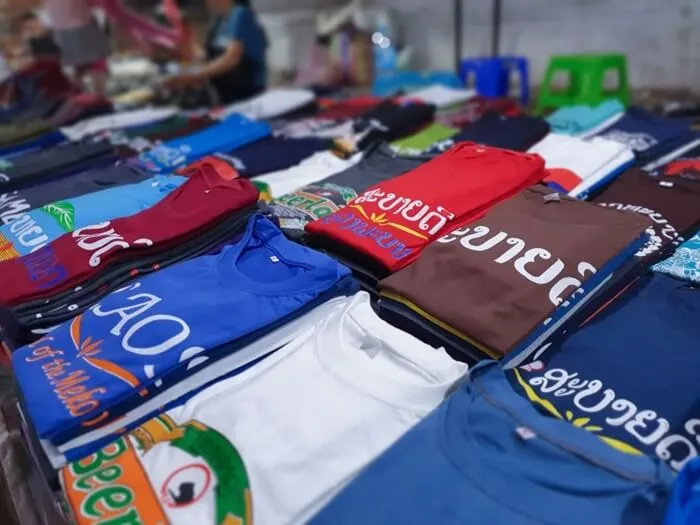
Why buy it: It is affordable, practical and connected to the social memories travellers often make in Laos—sitting together, sharing food and enjoying an unhurried evening.
What to look for: Choose good-quality, locally designed or officially licensed products rather than low-quality imitations.
9. Coffee from the Bolaven Plateau
Coffee from southern Laos offers a taste of the country’s geography. The highlands of the Bolaven Plateau are known for coffee cultivation, supported by elevation, fertile volcanic soils and a cooler climate than the lowlands.
Both Arabica and Robusta are grown in Laos. Depending on the variety and roast, Lao coffee may express chocolate, nutty, earthy or fruit-like characteristics.
More importantly, every bag connects the traveller to farming communities and a landscape shaped by waterfalls, plantations and highland villages.
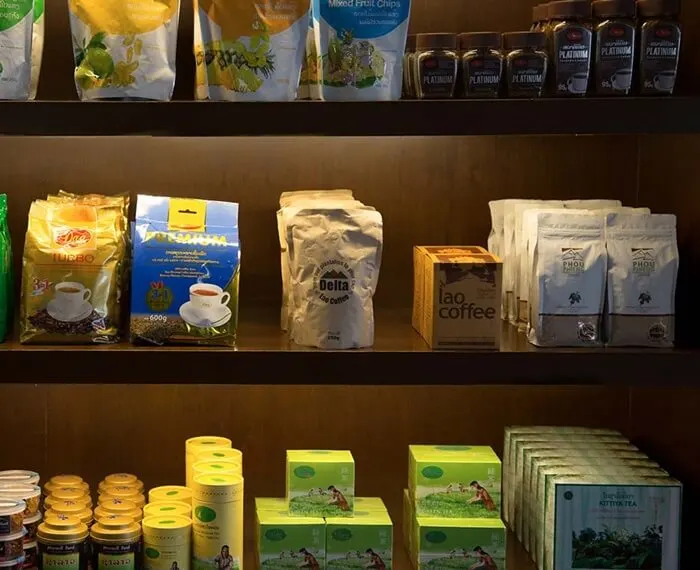
Why buy it: Coffee is easy to share and turns memory into a daily ritual. Preparing it at home can immediately recall the mornings and roadside cafés of Laos.
What to look for: Check the roast date, bean variety, growing region and whether the coffee is whole-bean or ground. Whenever possible, choose products that identify the farm, cooperative or producer.
10. Saa Mulberry Paper
Traditional Saa paper is made from the bark of the paper mulberry tree. The fibres are soaked, beaten into pulp, spread over a screen and dried into sheets with a distinctive natural texture.
Today, artisans transform Saa paper into notebooks, cards, lampshades, gift wrap and decorative artworks. Flowers and leaves may be incorporated into the paper, making every sheet slightly different.
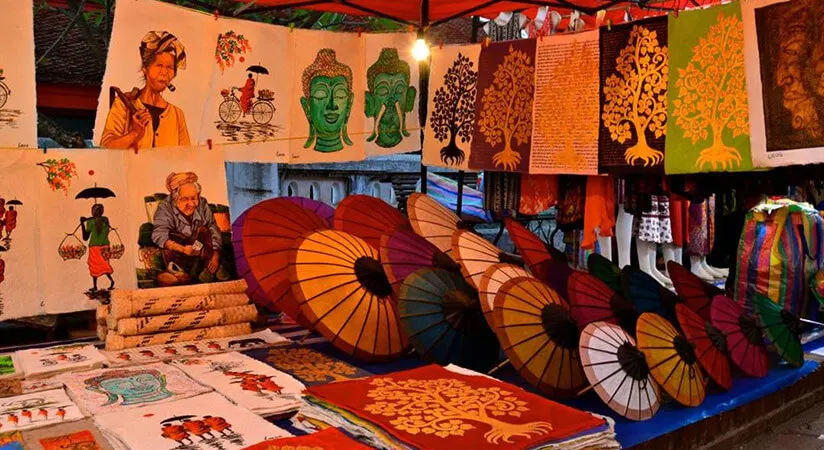
Why buy it: Saa paper represents the transformation of a modest natural material into something delicate and useful. A notebook or card is especially meaningful because it invites the buyer to add another story to the one already held within the paper.
What to look for: Handmade sheets usually show variations in fibres, thickness and texture. Keep paper products dry and pack them flat for travel.
11. Lao Herbal and Wellness Products
Laos has a long relationship with aromatic plants, herbs, flowers and traditional forms of wellbeing. Contemporary makers use local ingredients to produce soaps, herbal balms, teas, essential oils and natural body-care products.
These should not be romanticised as miracle cures. Their value lies in their ingredients, fragrance, craftsmanship and connection to local botanical traditions.
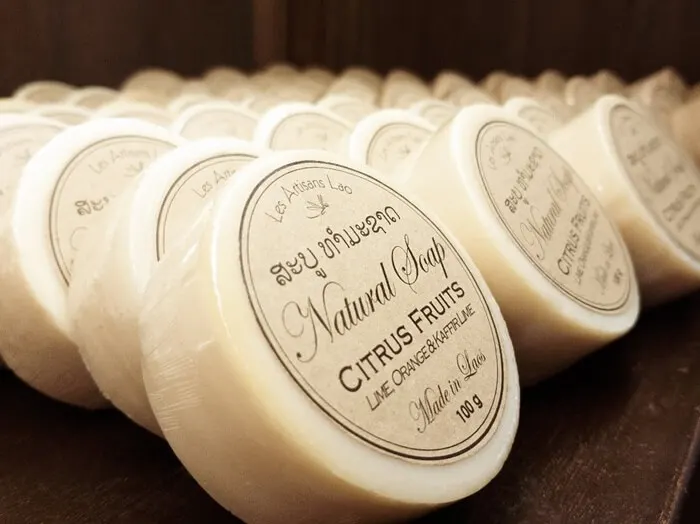
Why buy it: Herbal products create a sensory memory of Laos. A familiar fragrance can recall a garden, market or quiet afternoon long after the journey ends.
What to look for: Read the ingredient list, manufacturing date and storage instructions. Buy sealed products from reliable producers, particularly when carrying them across borders.
12. Lao Pottery
Pottery reveals the close relationship between craft and daily life. Jars, bowls, cups and cooking vessels have long been shaped to meet ordinary household needs. Contemporary workshops now produce both functional ceramics and decorative pieces.
Handmade pottery carries the marks of earth, fire and human touch. Even simple forms can reflect knowledge passed through families and villages.
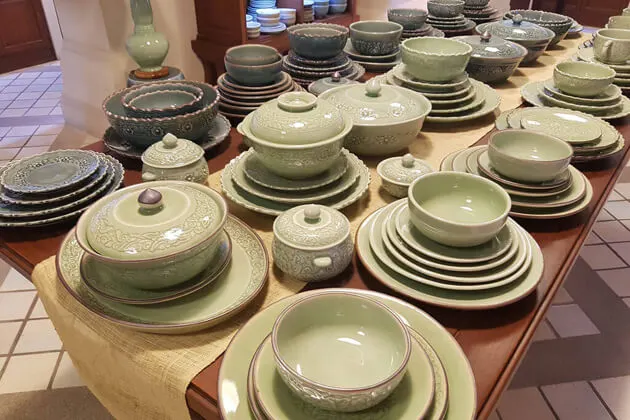
Why buy it: A cup or bowl is not an object that remains untouched on a shelf. It becomes part of daily meals, turning the memory of Laos into something lived rather than merely observed.
What to look for: Ask whether the item is food-safe if you intend to use it for eating or drinking. Pack ceramics carefully in clothing or protective material.
13. Contemporary Art, Prints and Postcards
Paintings, prints and illustrated postcards offer a personal interpretation of Laos rather than a standard tourist image. Artists may portray the Mekong, temple architecture, old neighbourhoods, rural landscapes or the changing life of Lao cities.
Buying art directly from its creator also allows travellers to see Laos through a local perspective. The most meaningful work is not necessarily the most realistic or expensive, but the piece that communicates a genuine point of view.
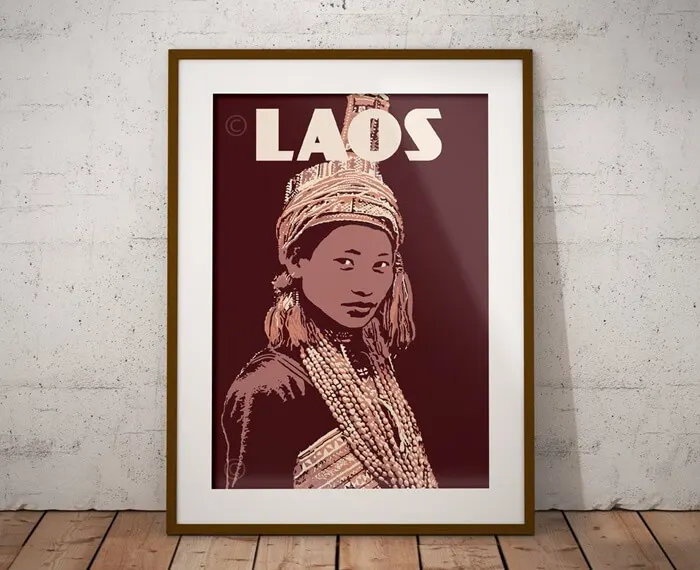
Why buy it: Art records atmosphere and emotion in ways that photographs sometimes cannot. It also directly supports contemporary Lao creative life.
What to look for: Ask about the artist and whether the work is original, a limited print or a reproduction. Avoid objects claimed to be historically important without legal documentation.
14. Responsibly Made UXO Metal Crafts
Laos continues to live with the consequences of unexploded ordnance left by twentieth-century conflict. In some communities, safely recovered and verified scrap metal has been transformed into bracelets, spoons, keyrings and small decorative objects.
These pieces should never be treated as novelty “bomb souvenirs.” Their real meaning lies in transformation: converting a material associated with destruction into livelihood, memory and hope.
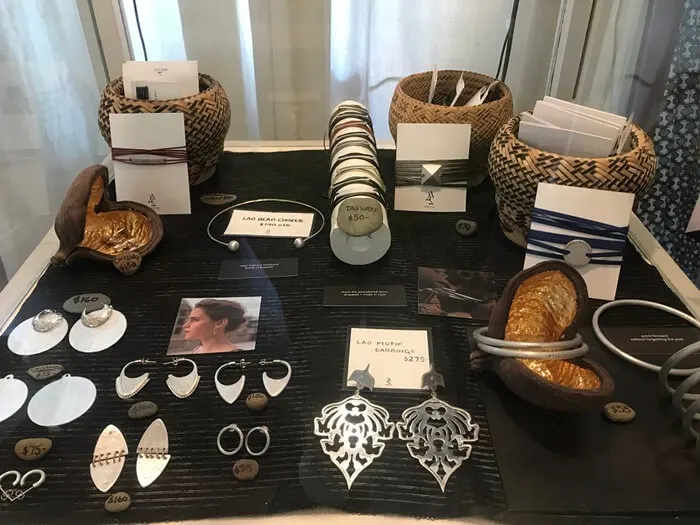
Why buy it: When sourced from a reputable organisation or known artisan community, a UXO metal craft can open an important conversation about Lao history, resilience and the continuing work of making land safe.
What to look for: Purchase only from established makers or social enterprises that can explain where the metal came from. Never collect, touch or transport suspected ordnance yourself.
How to Buy Souvenirs Responsibly in Laos
A meaningful purchase begins with curiosity. Before buying, consider asking:
- Who made this object?
- Where was it produced?
- Is it handmade or machine-made?
- What does the pattern or form represent?
- What materials were used?
- How long did it take to make?
- How should it be cared for?
A handmade product will often cost more than a factory-made imitation. That difference may represent days of work, specialised knowledge and income that remains within a local family or community.
Bargaining can be part of market culture, but it should remain respectful. A small saving for a visitor may represent a much greater amount to the person who produced the item.
Avoid wildlife products, sacred or antique religious objects, undocumented antiquities and materials of uncertain origin. Check airline and customs regulations before travelling with food, liquids, plants, wood or metal products.
More Than Something to Bring Home
The most meaningful Lao souvenir is not necessarily the most expensive or elaborate. It is the one that helps you remember a person, place or moment—and whose purchase respects the culture from which it came.
A scarf may carry the rhythm of a loom. A coffee bag may recall the mist of the Bolaven Plateau. A sheet of Saa paper may hold the touch of the person who made it. A repurposed metal bracelet may carry a difficult history transformed through human skill.
When chosen with care, a souvenir becomes more than proof that you visited Laos. It becomes a small continuation of the relationship you formed with the country.
Explore authentic Lao souvenirs and gifts selected for their craftsmanship, cultural story and connection to the people who make them at Laos Gifts.